
Wrap Up the Year Water-Wise: Winter Water Wisdom for Your Landscape
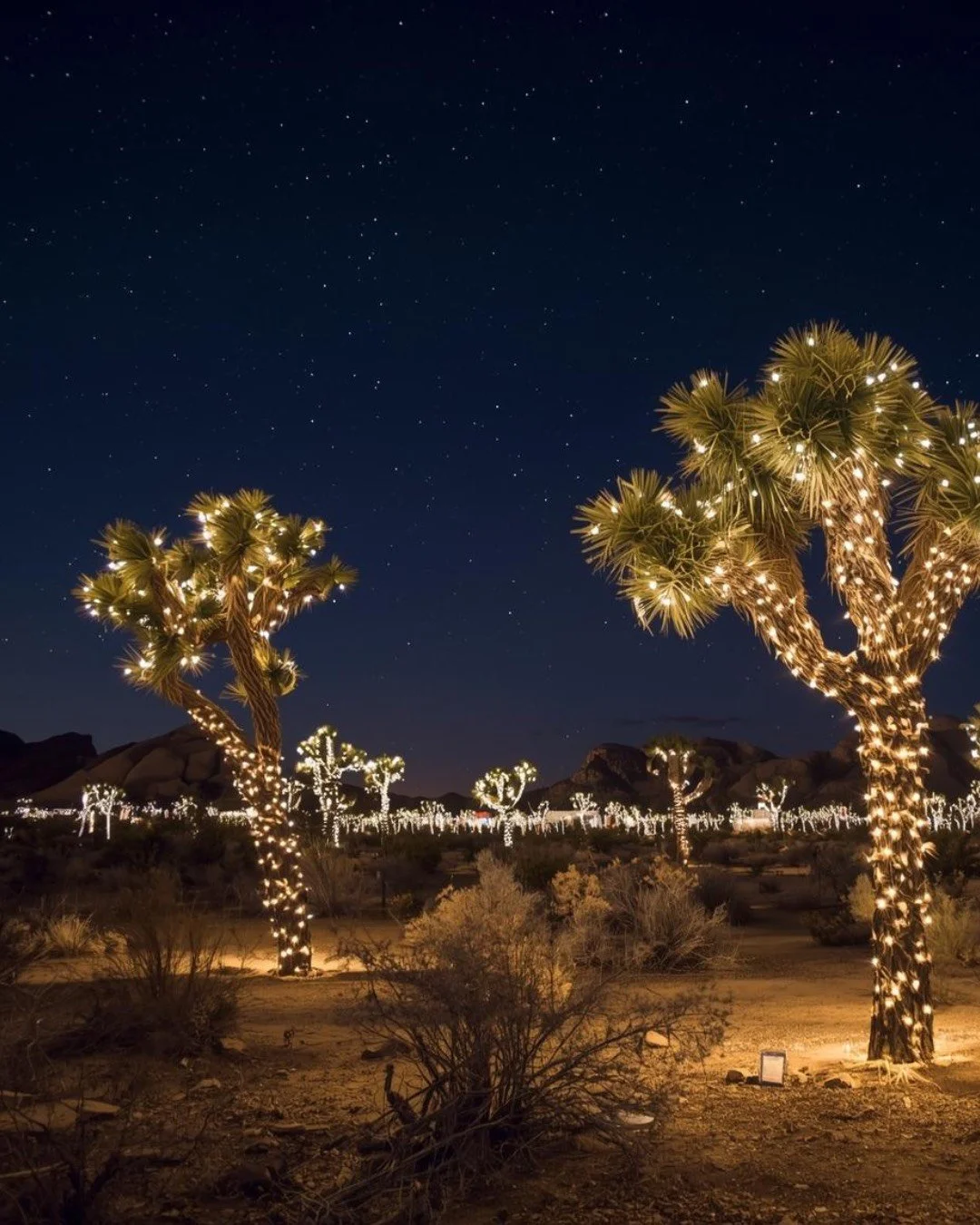
As winter settles over Tucson, the desert undergoes a quiet transformation. The intense summer heat fades, plants slow their pace, and the landscape takes a long exhale from the year’s harsh climate cycles. Winter isn’t a dormant season in the desert—it’s a reset. And how your irrigation system supports that reset determines how well your landscape rebounds in 2026.
Many homeowners assume that winter means turning irrigation off completely. Others continue watering out of habit, unaware that the landscape’s needs shift dramatically during the coldest months of the year. Winter irrigation isn’t about frequent watering or heavy schedules—it’s about understanding what’s happening beneath the surface and responding with intention.
Winter brings its own kind of wisdom, and learning how water interacts with desert soil during this season can dramatically impact plant health year-round.
How Desert Soil Behaves in Winter
Throughout the summer and monsoon season, Tucson soil absorbs and releases water rapidly. Evaporation is constant, and plants draw moisture aggressively to combat extreme temperatures. By December, everything slows: the soil cools, evaporation nearly halts, and moisture lingers longer than in any other season.
This creates a unique relationship with irrigation—one where less is not only sufficient, but essential.
Winter soil tends to retain moisture deeper in the profile, where roots rest and conserve energy. Plants aren’t trying to grow—they’re trying to survive the cold, store nutrients, and prepare for spring. Too much water at this stage can actually work against them, suffocating roots and encouraging decay in a season where growth is naturally paused.
Understanding this subtle shift in soil behavior is key to making your entire landscape more resilient when warm weather returns.
The Winter Pause: How Plants Conserve Energy
In Tucson’s desert ecosystem, winter is a strategic time for plants. They:
Conserve sugars and nutrients
Repair internal tissue damaged by heat
Strengthen root structures
Prepare buds for spring growth
When irrigation matches this seasonal rhythm, plants thrive more naturally. When it doesn’t, problems appear months later—weak spring blooms, stunted citrus fruit, brittle shrubs, or sudden dieback that seems to “come out of nowhere.”
Winter irrigation wisdom lies not in heavy watering, but in supporting this natural conservation stage.
Why Winter Is the Most Revealing Season
Winter may be calm on the surface, but it’s the most revealing season for understanding your irrigation system. Because plants slow their growth, their reactions to moisture become clearer. Overwatered areas remain visibly damp for days, while under-watered zones show subtle stress that is easy to spot in cooler weather.
This makes winter the best time to observe how your irrigation system interacts with your landscape—not through schedules or settings, but through patterns:
Which areas stay wetter longer
Which zones drain properly
Where water naturally flows or collects
How your soil absorbs deep moisture
How trees and shrubs respond to winter hydration
This natural “map” of your landscape’s winter behavior becomes invaluable heading into spring. You understand your yard differently—more deeply, more accurately, and with season-specific insight.
Winter Wisdom Leads to Healthier Spring Growth
Spring success in Tucson begins long before March. It starts in winter, when plants quietly prepare for the year ahead. When your irrigation system respects the winter rhythm, plants enter spring:
Less stressed
Better hydrated at the root level
More resistant to pests
Less dependent on heavy watering
Stronger, greener, and more vibrant
Winter irrigation isn’t about doing more—it’s about being aligned with the landscape’s natural pace.
Desert ecosystems thrive when water supports recovery, not growth. Matching that pace is one of the wisest choices a Tucson homeowner can make.
Start 2026 With Winter-Smart Irrigation Insight
If you want to understand how your system is performing this winter—or prepare your landscape for a stronger, healthier spring—our team is ready to help. Winter is the ideal season for system evaluations, flow checks, and efficiency upgrades that carry you into the new year with confidence.
